Nature‑Integrated Living
Nature-Integrated Living
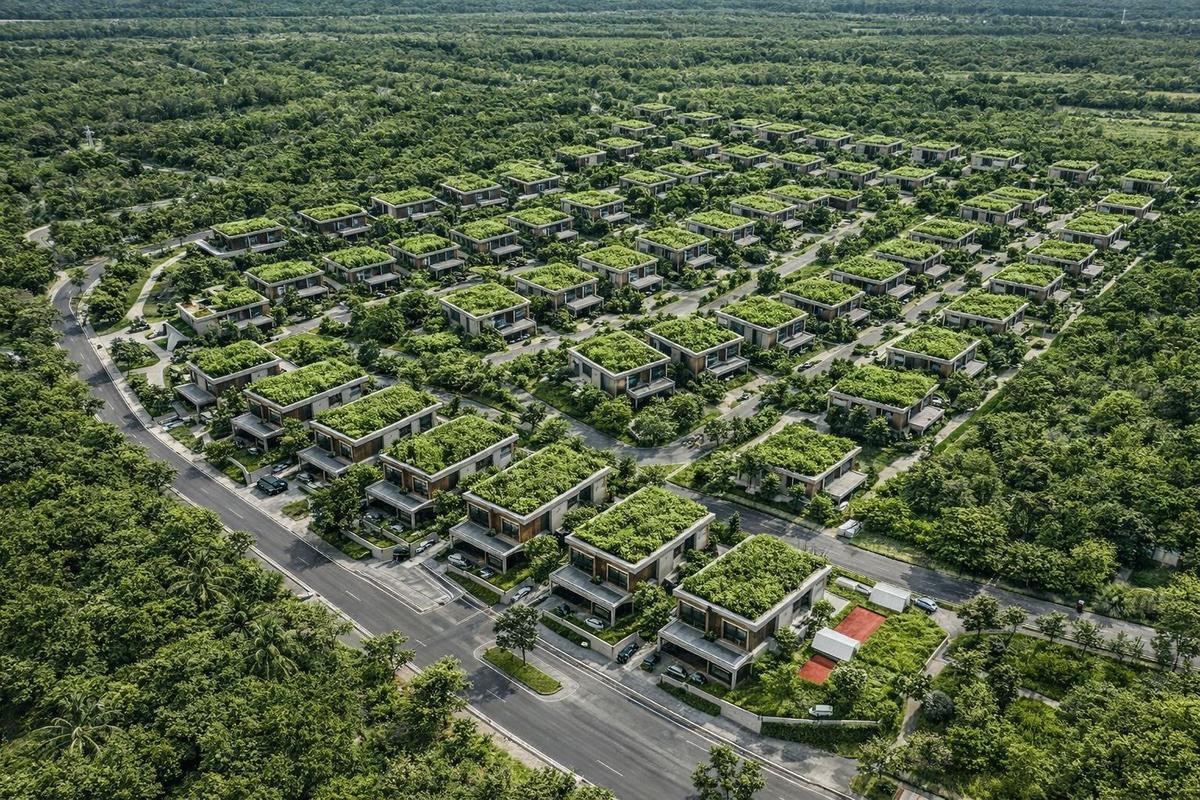
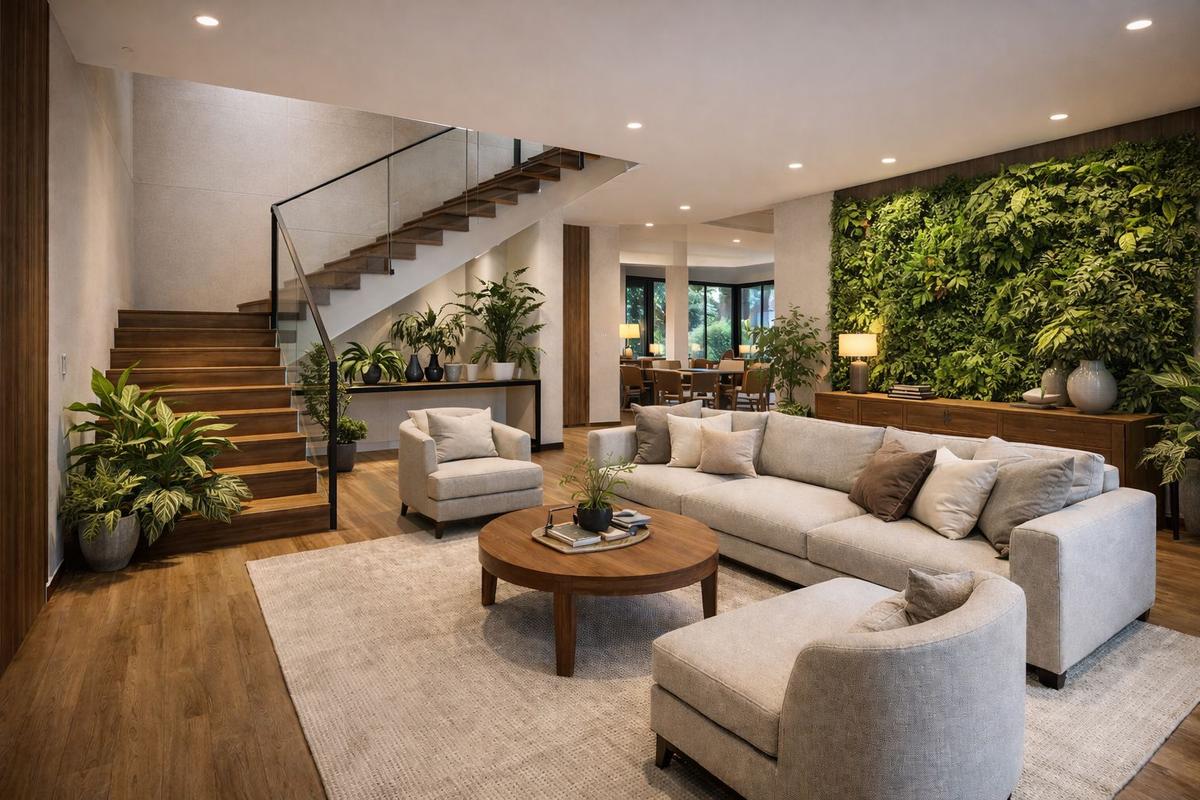
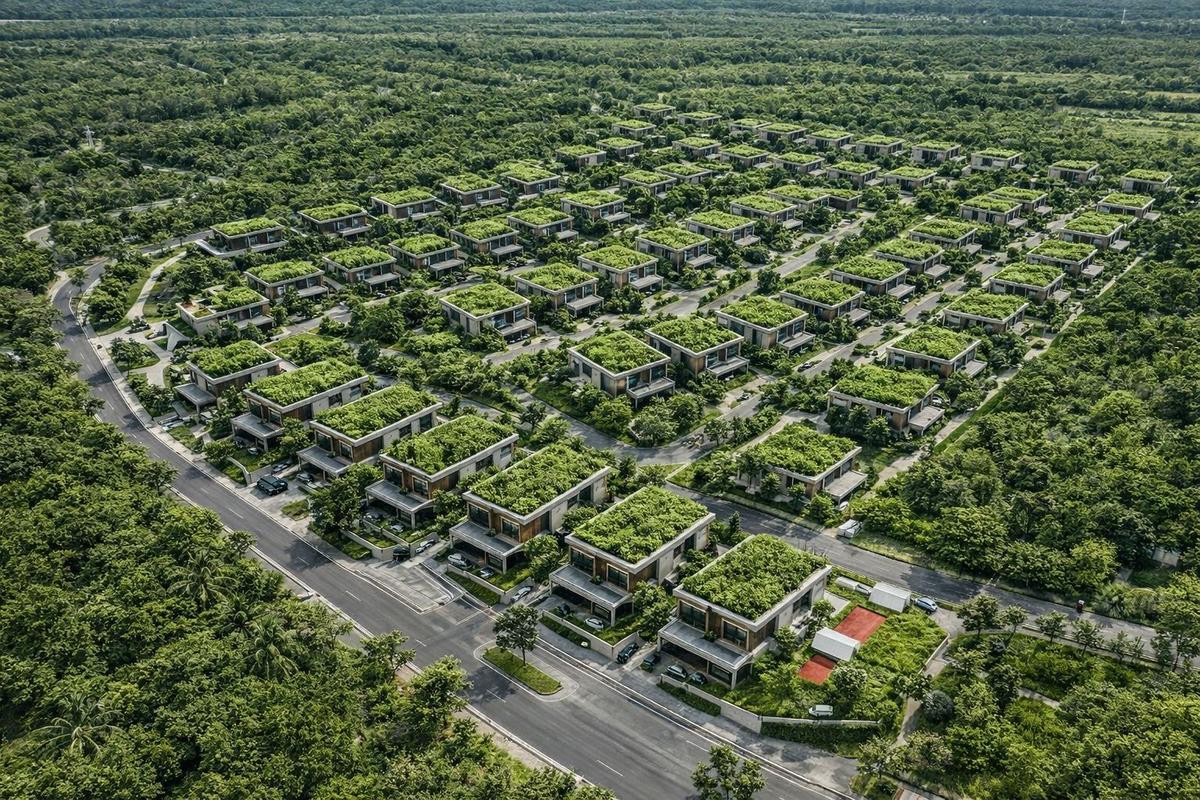
At Forest Nation, every home is designed to exist in harmony with its natural surroundings. Our nature‑integrated approach goes beyond conventional green building — it weaves the forest into the very fabric of daily living. Built on bio-climatic design principles, each manor uses passive solar orientation, thermal mass walls, natural ventilation through cross-ventilation, and courtyards that act as light wells and ventilation shafts — reducing AC dependence by 30% compared to standard construction. With 60%+ green cover acting as a natural heat sink, the community stays 2–3°C cooler than the surrounding city. Each plot features several fruit and timber trees in a 7-layer food forest system, with three themed Vanams (forest zones) and 15 thematic ecosystem zones across the community — from rainforest understory and spice gardens to pollinator gardens and aquascaped ponds. Every manor includes an integrated plantation plan across three zones — a tropical food forest around the house, an under-canopy balcony garden, and a productive terrace vegetable garden — balancing food production, aesthetics, biodiversity, and low maintenance. At Forest Nation, residents don't just live near nature, they live within it.
The Three Vanams
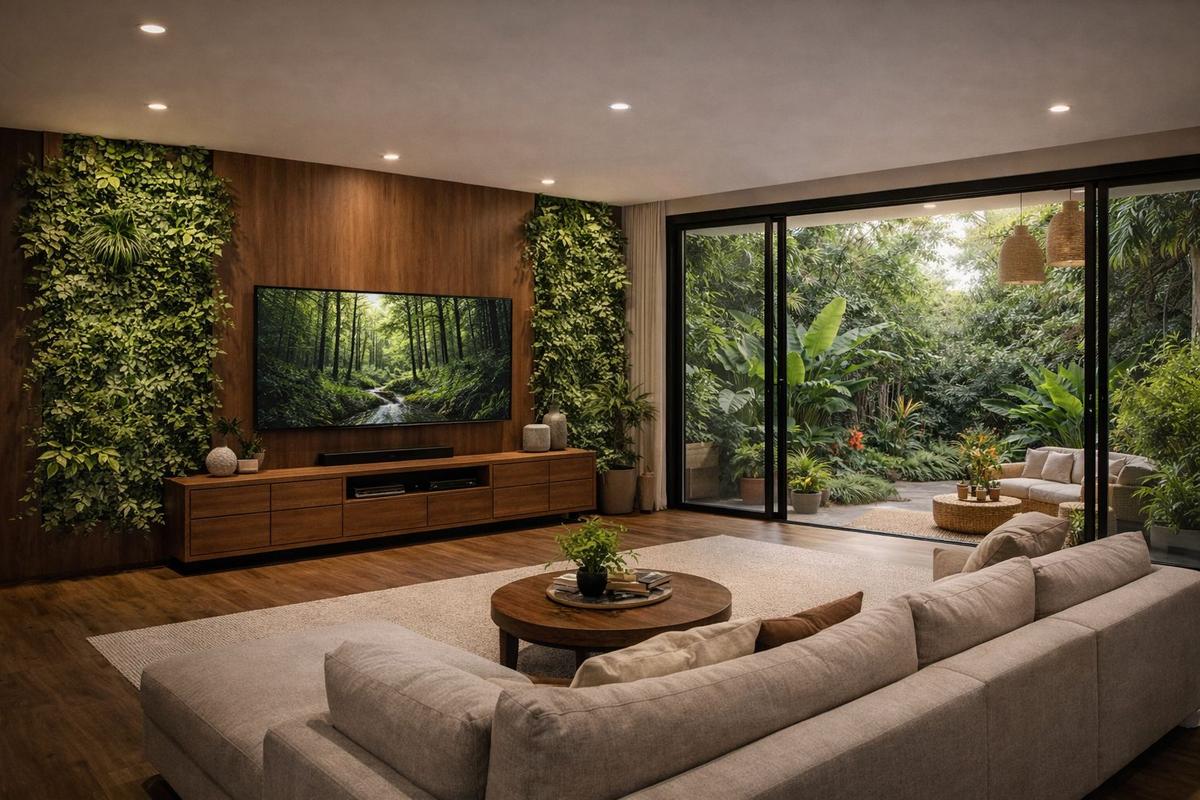
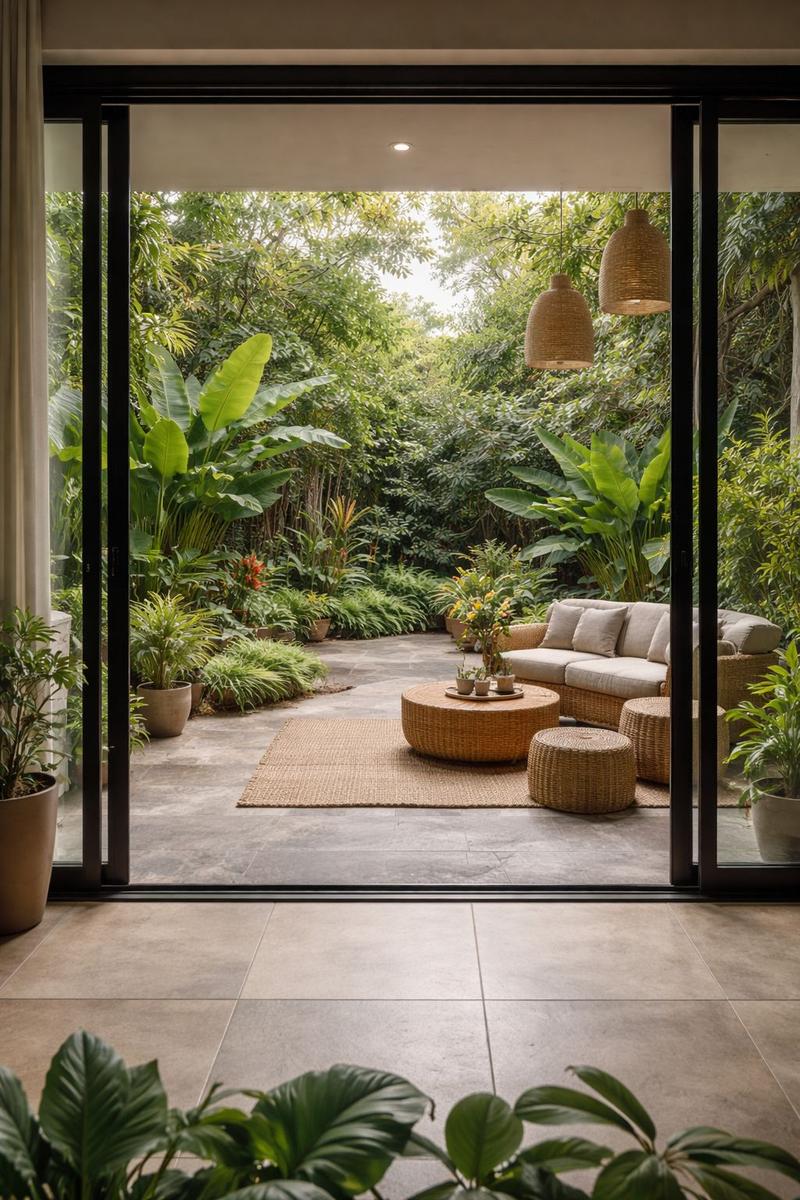
Forest Nation is organised around three themed Vanams (forest zones) — each representing an essential element for balanced, sustainable living. Together, they support biodiversity, enhance environmental quality, and contribute to everyday well-being.
Derived from Sanskrit — “Madhu” (honey/sweet) + “Vana” (forest) — Madhuvanam is the Energetic Oasis of Forest Nation. A vibrant zone filled with flowering trees (Neem, Ashoka, Parijata, Gulmohar), fruit-bearing trees (Mango, Jamun, Guava), and pollinator-friendly plants attracting birds and butterflies. Designed to energise, it enhances physical energy and metabolism, improves oxygen levels and air quality, and encourages outdoor activity and social bonding. Walking through Madhuvanam feels fresh, vibrant, and uplifting — promoting an active lifestyle and mental clarity. Features include jogging & cycling tracks, yoga lawns, and community gathering spaces.
Rooted in the Mahabharata, Khandav Vanam is Forest Nation’s Healing Haven. Dense foliage of medicinal plants (Tulsi, Aloe Vera, Brahmi, Ashwagandha) and cooling trees (Peepal, Banyan, Neem) create a therapeutic micro-climate. This zone reduces stress, anxiety, and fatigue, supports respiratory and immune health, and encourages mindfulness and slow living. The atmosphere is calm, cool, and restorative — ideal for healing both body and mind. Features include herbal gardens with plant descriptions, reflexology paths, and silent seating zones.
Named after the sacred site created by Lord Brahma himself, Pushkar Vanam is Forest Nation’s Celestial Garden. Anchored by water bodies, lotus ponds, streams, and fragrant flowers, it attracts birds and butterflies while enhancing biodiversity. Water elements reduce mental fatigue, enhance emotional balance, and improve focus and calmness. A sense of divine calm and beauty pervades this zone — where nature feels gentle and nurturing. Features include lotus ponds and water pathways, floral meditation areas, and family relaxation spaces.
15 Thematic Ecosystem Zones
Beyond the three Vanams, Forest Nation features 15 dedicated ecosystem zones spread across the community — each designed to nurture a specific aspect of biodiversity, wellness, and sustainable living.
A dense, multi-layered canopy zone spanning 4,867 sq. yards, featuring fruit and timber species, understory species, pioneer plants, and ground-cover species like Vetiver, Ginger, Turmeric, and Stylo seeds. Rainwater harvesting earthworks and pathways are integrated throughout, replicating a self-sustaining natural forest ecosystem.
A dedicated zone cultivating a variety of spice plants and culinary herbs, surrounded by a 7-layer food forest with periphery timber species — with rainwater harvesting earthworks integrated throughout to ensure water self-sufficiency.
A 2,415 sq. yard aromatic zone filled with fragrant species that stimulate the senses — creating a sensory-rich walking experience that promotes relaxation and well-being.
Spanning 1,878 sq. yards, these rainwater percolation structures capture and filter stormwater, recharging groundwater and ensuring long-term water self-sufficiency across the community.
A productive, multi-layered food forest replacing water-guzzling lawns with permaculture-based fruit and vegetable cultivation — providing fresh produce for residents while supporting biodiversity.
A 3,152 sq. yard garden dedicated to orchids and exotic flowering species, creating a visually stunning botanical experience within the community.
A dedicated zone featuring medicinal plants and ayurvedic herbs — where residents can access nature’s pharmacy right at their doorstep, learning about traditional plant-based remedies and wellness practices.
Spanning over 2,800 sq. yards combined with the herbal garden, the Ayurvedic Centre is a wellness hub surrounded by medicinal plants — offering residents holistic health and rejuvenation services rooted in ancient Indian practices.
A 3,905 sq. yard zone with a percolation tank and food forest, designed to attract butterflies, bees, and other pollinators with dedicated pollinator trees — critical for maintaining a healthy, self-sustaining ecosystem across the community.
A 2,494 sq. yard aquascaped pond featuring natural lily ponds and aquatic plants — creating a calming aquatic landscape that supports biodiversity and natural water filtration.
Complementing the aquascaped pond, water jets, small lakes, and flowing water elements are distributed across the community — enhancing the sensory experience and contributing to a cooler, more serene environment.
Embracing the beauty of natural imperfection, this zone features weathered stone, native grasses, and organic textures — creating meditative, low-maintenance landscapes inspired by the Japanese philosophy of finding beauty in transience.
Spanning over 7,770 sq. yards combined with the Wabi Sabi zones, the Rock Garden features organic rock formations, native drought-resistant plants, and textured stone pathways — a contemplative space that requires minimal maintenance while adding dramatic natural beauty.
A dedicated on-site nursery with tool shed for plant propagation — growing saplings, seedlings, and new plant stock to continuously replenish and expand the community’s green cover.
An organic composting facility that creates a closed-loop system — converting community organic waste into nutrient-rich compost for the food forests, kitchen gardens, and landscape zones with zero chemical inputs.
Over 7,250 sq. yards dedicated to hands-on farm education, including a large-scale vegetable production area with contour beds and a kitchen garden with mandala designs — empowering residents to learn, grow, and participate in the community’s living ecosystem.
Per-Plot Plantation & 7-Layer Food Forest
Every manor plot at Forest Nation is a self-sustaining green micro-system. Each home is wrapped in a living, breathing green envelope designed on the 7-layer food forest model — featuring several fruit and timber trees along with 80–100 support species per plot, creating a layered, climate-responsive, and productive ecosystem.
The tallest layer of the food forest, forming the green canopy around each manor. These trees provide shade, improve air quality, and create a cool micro-climate around every home.
Native timber and shade species including Amla, Albizia procera, Rosewood, Tecoma stans, Lagerstroemia, and Sampangi — selected for long-term canopy growth, carbon sequestration, and ecological value.
Native fruit-bearing trees including Papaya, Pomegranate, Custard Apple, Phalsa, Moringa, Orange, Curry Leaf, Dwarf Guava, Dwarf Mango, and Banana. Residents can harvest fresh produce right from their own plots, replacing water-guzzling lawns with productive permaculture food forests.
The sub-canopy layer sits beneath the main canopy, creating a shaded, sheltered zone ideal for medium-height species that thrive in filtered sunlight — adding depth, diversity, and visual richness to the food forest around each manor.
Flowering shrubs including Hibiscus, Jasmine, Parijatham, Raat Ki Rani, and Nandi Vardhanam add colour, fragrance, and visual richness to the middle layers of the food forest around each manor.
Aromatic herbs and spices carefully selected for biodiversity — providing residents with fresh culinary ingredients and a fragrant, colourful living environment right at their doorstep.
Tulsi (3–4 varieties), Sarpa Gandha, and Shatavari form nature’s pharmacy on each plot — providing residents with traditional medicinal plants for everyday health and wellness.
Ground cover plants like Ginger, Turmeric, Centella asiatica, and Crepe Ginger retain soil moisture and suppress weeds. Functional grasses such as Vetiver (for erosion control), Lemongrass, and Citronella add natural water management and pest deterrence.
Climbing species like Blue Pea Flower add vertical greenery to manor walls — softening built surfaces, improving insulation, and creating a living green facade that blends each home into its surrounding forest.
The deepest layer of the food forest, featuring root vegetables and tubers that contribute to the edible landscape — completing the self-sustaining ecosystem around every home.
Integrated Plantation Plan — Three Living Zones Per Manor
Every Forest Nation manor is designed as a complete green micro-ecosystem with three distinct plantation zones — each serving a unique purpose in food production, aesthetics, biodiversity, and climate comfort.
A multi-layered tropical food forest surrounds each manor, designed to improve the microclimate, provide shade, enhance soil health, and provide fruits, flowers, herbs, timber, and medicinal plants. The plantation includes 2–6 ft deep plantation borders with 3 ft pathways and rainwater harvesting trenches. East and west facing plots have customised plantation layouts to optimise sun exposure and airflow for each orientation.
Each manor’s balcony is designed as a cool, shaded micro-forest with low-light tolerant plants that improve indoor air quality and enhance visual softness and privacy. Foliage plants like Taro, Ferns, Crepe Ginger, and Heliconia species create a tropical canopy feel, while flowering plants like Rajni Gandha and Indian Ground Lily add fragrance and colour.
The terrace is designed for year-round household vegetable production with efficient use of space, heat reduction for the top floor, and chemical-free food supply. Over 25 seasonal vegetables (Lady Finger, Brinjal, Tomato, Drumstick, Bitter Gourd, Ridge Gourd, Cucumber, and more) along with perennial spinach varieties provide fresh, organic produce right from your rooftop. A dedicated herb section features Oregano, Thyme, Sage, Basil, Rosemary, and Parsley, providing fresh aromatic herbs for everyday cooking while adding fragrance and greenery to the rooftop space.
Permaculture & Sustainable Practices
Forest Nation’s landscape is built on permaculture principles that go far beyond aesthetic gardening — creating ecologically balanced, self-sustaining systems designed to mature and thrive over 3–5 years with zero chemical inputs.
Each plot is treated as an individual watershed with decentralised water management. Community-wide infrastructure includes percolation tanks, infiltration trenches, and swales — ensuring groundwater recharge and long-term water security.
Over 2,093 sq. yards of rainwater harvesting tanks capture and store rainwater across the community — reducing dependence on external water sources and ensuring water self-sufficiency for irrigation and daily use.
Forest Nation employs no-till practices, cover cropping, and mycorrhizal fungi inoculation to regenerate soil health naturally — building living soil that becomes richer and more productive with every passing season.
With zero chemical inputs and an on-site compost centre, Forest Nation creates a closed-loop system where organic waste becomes the fuel for new growth — ensuring every garden, food forest, and landscape zone thrives without synthetic fertilisers or pesticides.
While HMDA mandates 40% open space, Forest Nation dedicates over 60% of its 40+ acres to open areas — creating an ultra-low density of just 5.3 manors per acre and an unmatched sense of space and freedom.
The extensive green cover acts as a natural heat sink, keeping the ambient temperature 2–3°C cooler than the surrounding city. Forest zones, food forests, themed gardens, and landscape corridors create a continuous green canopy across the community.

Discover Forest Nation – Book Your
Site Visit!
Schedule Your Personal Walkthrough Of Forest Nation's Manors & Homes
and Nature-Integrated Plots Today.
Site Visit!
Schedule Your Personal Walkthrough Of Forest Nation's Manors & Homes
and Nature-Integrated Plots Today.
 How May I Help You?